
Home | How We Research
HOW WE RESEARCH
Our Approach to Reliable Destination Information
HOW WE RESEARCH
A useful destination guide should do more than list popular places. It should help readers understand what an experience offers, where to find it and what they may need to know before visiting.
At Things in America, we aim to build our content through structured research, source evaluation and editorial review.
Every guide starts with a specific subject, destination or visitor interest.
Before developing an article, we consider:
This helps us create focused articles rather than publishing multiple pages with substantially identical purposes.
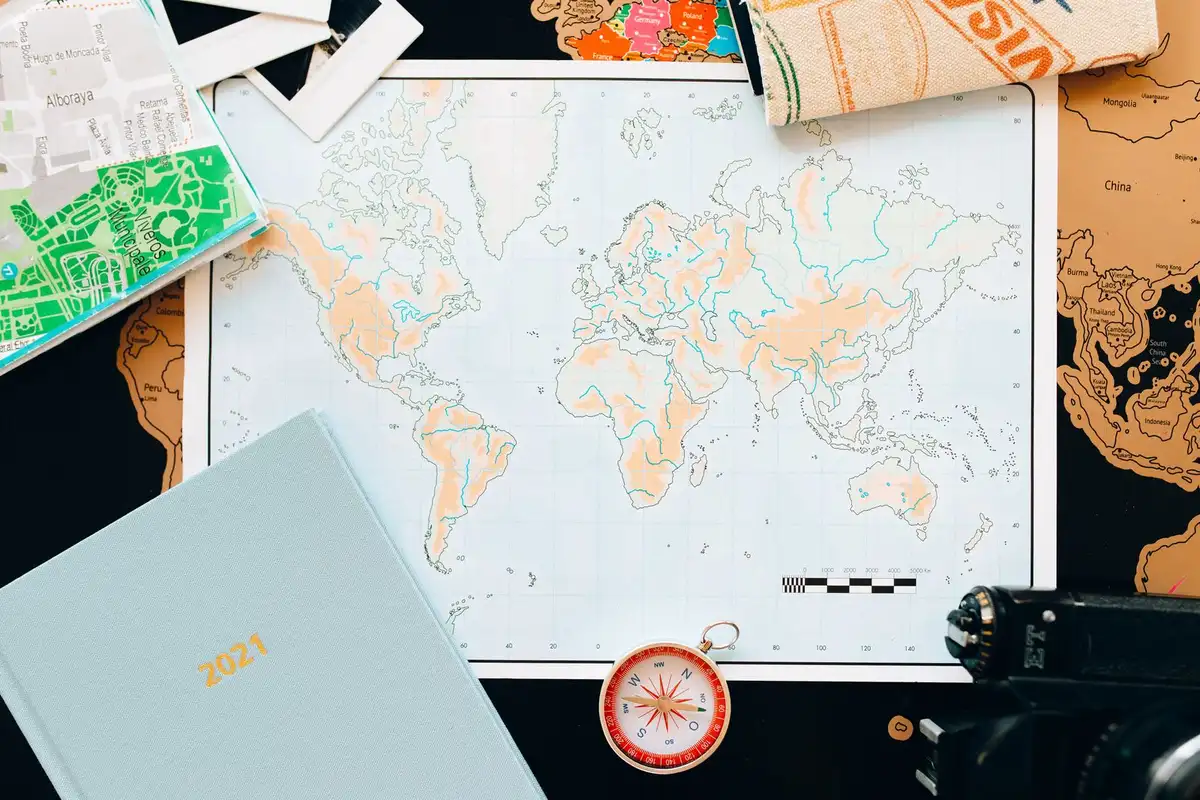
We research attractions, activities, neighborhoods and other experiences relevant to the article.
Potential sources include:
Official attraction and venue websites.
City and local government websites.
Official tourism organizations.
Park districts and public recreation authorities.
Event organizers and official event websites.
Public transportation authorities.
Museums and cultural institutions.
We use these sources to understand the experience and identify information that readers may need.
Not every online source provides equally reliable information.
Where possible, we prioritize the organization directly responsible for the attraction, event, facility or service.
For example:
Third-party sources may provide additional context, but important details should be checked against more authoritative sources when possible.
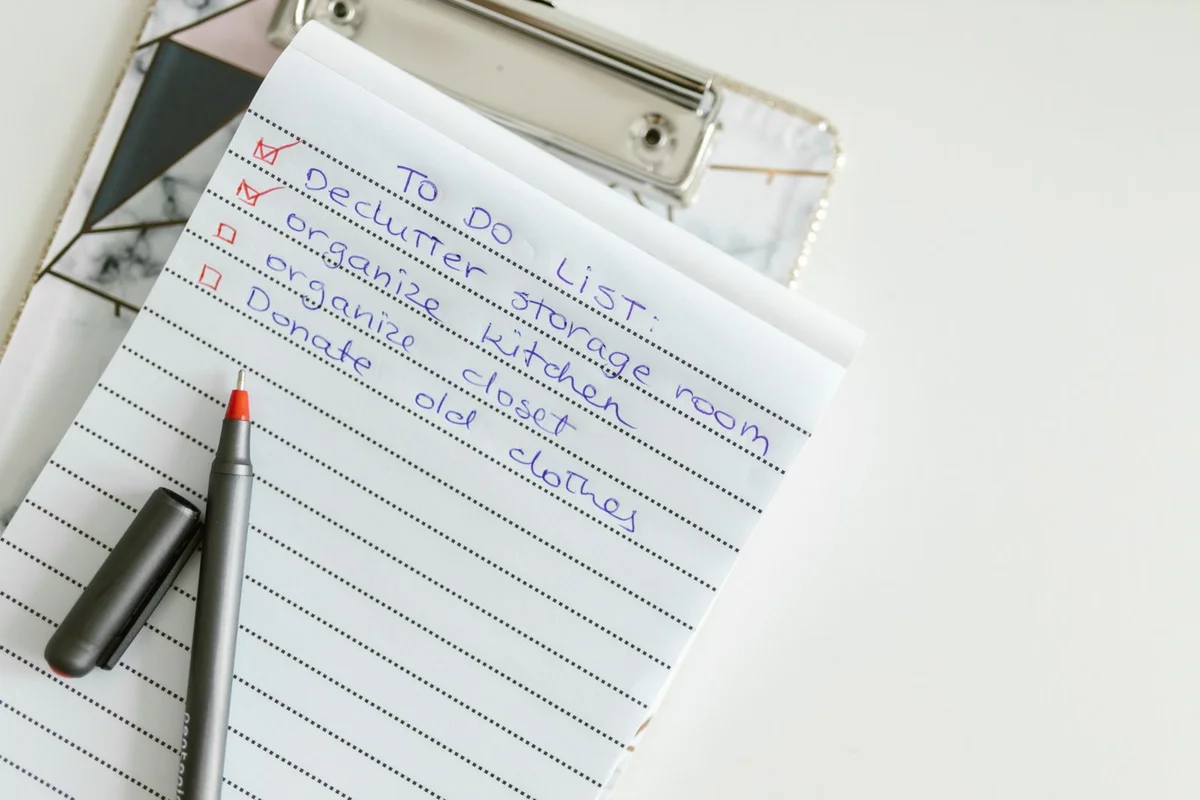
Depending on the subject, we may review:
Address and location.
Opening days and operating hours.
Admission fees and ticket requirements.
Seasonal availability.
Age restrictions and visitor policies.
Accessibility information.
Transportation and parking details.
Event dates and schedules.
We do not assume that information remains accurate indefinitely. Prices, hours, policies and event schedules can change.
When a detail cannot be confirmed, we aim to avoid presenting it as a verified fact.
After research, the information is organized into a useful article.
Our review aims to ensure that:
Some subjects require more frequent attention than others.
These include:
Readers should always check the official source before making time-sensitive plans.

Readers can help us identify outdated information, incorrect details and missing context.
If you notice a possible issue, please contact us with the page URL and the information that needs review.
We evaluate submitted feedback and make corrections when appropriate.
We aim to make Things in America a useful and transparent resource for discovering places and planning activities.
Our research process is designed to improve the quality of our guides, but it does not mean that every detail can be guaranteed current at every moment.
For important travel arrangements, always confirm the latest information directly with the relevant official provider.
More about how we work
About Things in America · Our Editorial Team · Corrections and Updates Policy · Contact Us